Kiss of War: Dead Blood
- 4.6
- Rating
- 10.00M
- Installs
- Free
- Price

 Analysis by App-foxy
I approached Kiss of War: Dead Blood as the kind of strategy game that might end up on a shared tablet or a phone passed between people at home. That changed what I paid attention to. The important question is not only whether its battles are enjoyable, but also whether its long-term structure works when one person plays casually, another checks in often, and everyone needs to understand what is happening on the same device.
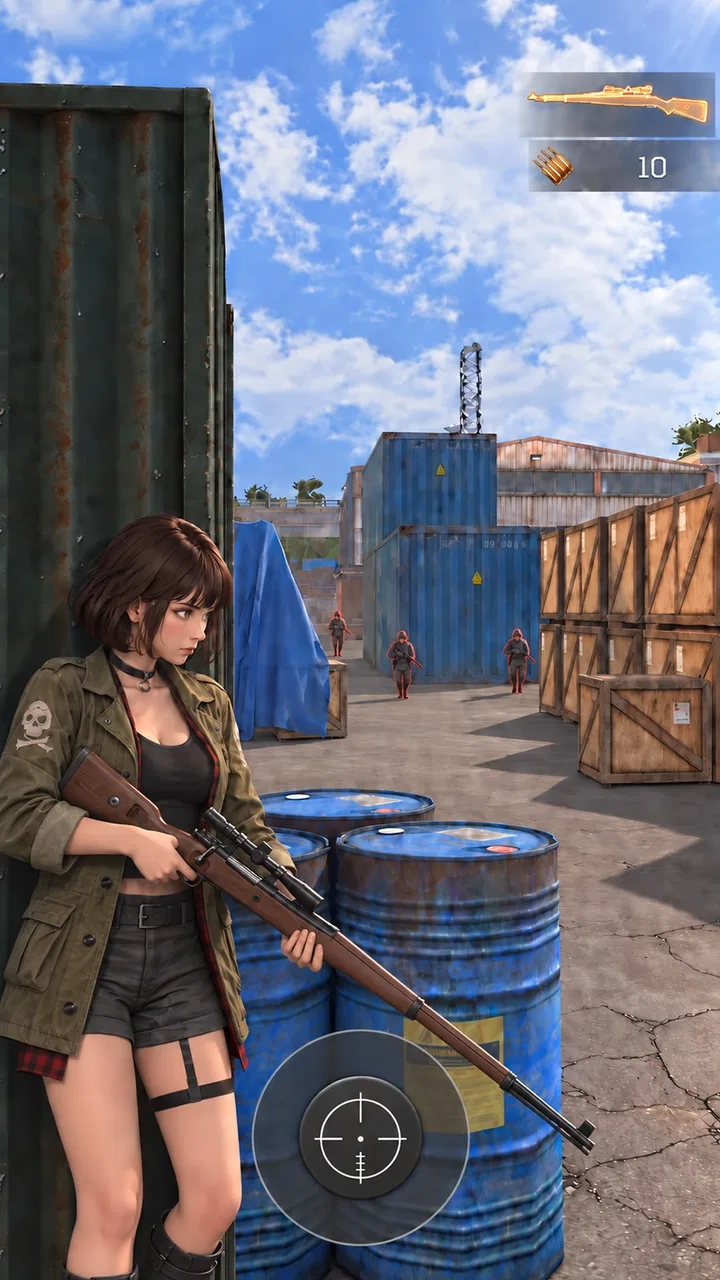
At its core, this is a late-modern-period war strategy game from Tap4fun (Hong Kong) Limited. It is free to install, aimed at a mature audience, and supported by optional purchases ranging from $0.99 to $99.99 per item. I found the central appeal easy to understand: build up military strength, make decisions about expansion and resources, and take part in a larger strategic setting rather than treating each battle as an isolated match.
That format has real staying power, but it also asks for patience. This is not the best choice if you want a quick game that can be finished in a few minutes with no ongoing commitment. It suits players who enjoy planning, checking progress, and making choices whose value becomes clearer over time. For a household, that makes it interesting but not automatically convenient.
You May Also Like

 AccuWeather: Weather Radar
AccuWeather Review: A Quick, Clear Forecast for Everyday Decisions
For everyday plans, the best forecast is the one you can understand quickly. AccuWeather makes rain timing, radar, and local conditions easy to act on, with a few trade-offs.

 Hill Climb Racing
Why Hill Climb Racing Still Turns Crashes Into One More Run
A tiny car, a bumpy hill and one more upgrade: Hill Climb Racing keeps resurfacing because its simple chaos makes every near-miss feel personal.

 AliExpress - Shopping App
AliExpress Makes Global Shopping Feel Personal, but Shoppers Bear the Risk
AliExpress turns a global marketplace into a pocket-sized discovery engine. Its reach is useful, its shopping loop compelling, and its trade-offs easy to miss.

 Lords Mobile: Kingdom Wars
Lords Mobile Is a Kingdom-Building Routine, Not a Quick Match
A case-by-case verdict on the building, battles, device demands, and social commitments that make Lords Mobile rewarding for some players and exhausting for others.

 PDF Scanner app - TapScanner
TapScanner Makes Paperwork Easier to Capture, Check, and Share
TapScanner makes scanning with a phone feel less like a rescue operation and more like a dependable step in getting work done. Its capture tools are useful, though not flawless.

 Block Blast!
 Shows How Much a Puzzle Game Can Leave Out
A quiet grid game shows why puzzle players increasingly value instant clarity, repeatable skill and low-pressure play—and where the genre still needs to catch up.
More From Our News Desk
View All News


How it works when more than one person shares the device
I’d frame this section around the practical difference between sharing a screen and sharing a game account. When several people use one device, I’d first agree who is responsible for the active profile and purchases, then decide whether others will simply watch and discuss choices. That arrangement keeps a shared session friendly without turning one person’s ongoing strategy into everyone’s responsibility.
A strategy game that needs clear turn-taking
On a shared phone, the first practical challenge is simple: the game is built around a continuing personal campaign, so handing the device to somebody else is not like passing around a puzzle game. One player may be deciding what to upgrade, where to direct forces, or how to use limited resources. Another person opening the game without context can easily interrupt that plan, spend something unintentionally, or change the next objective.
I would treat the game as a personal account experience, even when the hardware is shared. Before installing it on a family tablet, I would agree on a basic rule: one person is responsible for the active profile, and everyone else watches or plays only after that person has finished. That small boundary matters more here than it would in a short arcade title because progress and decisions are connected.
A realistic example would be a parent using a tablet after dinner while a teenager wants to try the battles. The teenager can learn the interface by observing and discussing choices, but taking over the same profile casually is risky. The better arrangement is to keep the main player in charge of upgrades and purchases, while the second player offers suggestions or uses a separate device and account where appropriate.
The most useful shared-device habit is to separate “watching” from “managing.” Someone can help compare options or talk through a military decision without being the person who confirms every action. That is especially useful for younger household members who are curious about the theme but may not yet understand the consequences of spending or changing a long-term plan.
Why the ongoing structure changes the experience
Compared with a traditional offline strategy game, this title feels less like a self-contained board that you can reset whenever you want. The attraction comes from continuing development and strategic momentum. I enjoyed that sense of a campaign that grows, but it also means that a shared device can create tension if different people want different priorities.
Compared with a fast competitive game, the reward is less about immediate reflexes and more about preparation. That makes it a better fit for someone who likes looking at the wider situation before acting. On the other hand, players who prefer a clean match, a definite ending, and no waiting between sessions may find the persistent structure demanding.
For a household, I would not recommend presenting it as a communal game unless everyone agrees on what “communal” means. If the goal is to discuss strategy together while one person owns the account, it can work well. If the goal is for several people to freely share one profile, the arrangement is likely to become confusing.
Setting boundaries before the first serious session
The game is free to start, but that should not be confused with being free of spending pressure. Optional purchases are part of the design, and the listed range reaches from $0.99 to $99.99 per item. I would decide in advance whether purchases are allowed at all, who can approve them, and whether the device owner must be present before any transaction is made.
This is not just a child-safety conversation. Adults sharing a device can make mistakes too, particularly when one person assumes that another person’s payment arrangement applies to the current profile. A clear household rule is more reliable than hoping everyone notices the same prompts. If I were setting it up for several people, I would keep purchasing decisions with the account owner and make the rule explicit before anyone starts playing.
Another useful boundary is time. A continuing strategy game can encourage “one more check” behavior because there is usually another decision waiting. I would avoid letting it become the default activity during homework, meals, or shared conversations. The game is more enjoyable when I choose a deliberate session rather than opening it automatically every time I have a spare moment.
The same applies to device storage and notifications. I would review the phone or tablet after installation and decide whether its alerts are helpful or distracting. A player who wants regular reminders may appreciate them, while someone sharing the device with a non-player may find them intrusive. The right choice depends on the household routine, not on the game alone.
What new players should understand early
My strongest beginner advice is to resist making every decision as soon as it appears. In a strategy game with a continuing military economy, a resource spent for a short-term improvement may be unavailable when a more important opportunity arrives. I found it better to pause, identify the current objective, and ask whether an action supports that objective or merely feels satisfying in the moment.
I would also encourage new players to learn the difference between activity and progress. Opening the game often does not automatically mean the account is improving efficiently. A short session spent reviewing the situation and choosing a sensible next step can be more valuable than tapping through every available option without a plan.
When teaching the game to somebody else, I would explain the reason behind a decision rather than simply saying what to press. For example, discussing why a player is saving resources, delaying an upgrade, or prioritizing a particular military goal gives the learner a transferable strategy. It also reduces the chance that a second household member will make a change without understanding the plan.
Coordination, age context, and my household verdict
For me, coordination works best when the household treats the game as an older player’s ongoing pastime rather than a casual activity for everyone. A quick conversation about age suitability, spending boundaries, and when play fits into the day can prevent awkward surprises later. With those expectations clear, the next question is whether the game’s style suits the household at all.
Playing together without mixing responsibilities
The social side of a war strategy game can be one of its strongest features, but coordination works best when responsibilities are clear. I would nominate one person to make final account decisions and let others contribute through planning conversations. That approach preserves the owner’s control while still making the game something people can discuss together.
A useful routine would be a short review before major choices: What is the current goal? Which resources are being protected? Is this action helping immediately, or is it preparing for later? Those questions may sound basic, but they prevent the most common shared-device problem: several people acting independently on one continuing plan.
I would not expect every family member to enjoy the same part of the game. One person may like the military theme, another may prefer resource planning, and someone else may only be interested in watching progress. That is fine. The game does not need to become a group activity to be worthwhile. In my experience, it is better when participation is optional and the account owner is not pressured to hand over control.
Players who coordinate with friends should also be comfortable with communication and commitment. A strategy game becomes less satisfying when one person agrees to a plan but rarely checks in, or when the group expects everyone to play at the same pace. I would choose a relaxed style of coordination unless the people involved genuinely enjoy regular strategic involvement.
Mature rating and the right audience
The mature 17+ rating is important in a shared household. I would not treat the game as a general children’s title simply because it is easy to download and free to begin. The late-modern war setting, combat focus, and mature classification make it more appropriate for older players who understand the tone and can make sensible decisions about purchases and online interaction.
For a teenager near that age range, I would look at the game together before allowing regular play. The useful conversation is not only about violence. It should also cover spending, time management, account responsibility, and the difference between a fictional military setting and real-world conflict. A player can enjoy strategic decision-making while still needing firm limits around the surrounding habits.
For younger children, I would skip it and choose a strategy game with a more suitable age context and a simpler session structure. That is not a criticism of the game’s intended audience; it is a recognition that a mature war game is not a universal family recommendation.
Adults should consider the same issues for themselves. If I know I am prone to chasing progress or making impulse purchases when a game slows down, the free entry price would not be enough reason to install it. The optional purchase range makes self-control part of the decision, especially on a device where payment access is shared.
Performance expectations and practical fit
The current version is 1.172.0, and the minimum operating system listed is Android 8.0. That makes the basic compatibility requirement fairly clear for Android users, although compatibility alone does not guarantee that an older phone will feel comfortable during longer sessions. I would install it on the device where I expect to play most often, then pay attention to heat, battery use, and how easily I can read the interface before committing to it as a main game.
The game has a substantial audience, with an average rating of 4.6 from around 427 thousand ratings and more than 10 million installs. Those figures suggest that the format has reached many players, but they do not remove the personal question of fit. A popular long-term strategy game can still feel slow or overly involved to someone who wants immediate action.
I would also remember that a shared tablet has different demands from a personal phone. A tablet may be easier for two people to look at while discussing a plan, but it can also become a household object that nobody considers personal. If several people use it, account ownership and purchase rules need to be decided before progress becomes valuable.
Where it beats simpler alternatives
I prefer this game to a basic turn-based title when I want a broader sense of military development rather than a single match with a fixed board. Its appeal comes from connecting decisions across sessions. I can return later and continue thinking about the same strategic direction, which gives the game more weight than a disposable five-minute challenge.
It also offers a different experience from reflex-focused action games. I do not need to win because I reacted fastest in one moment. The satisfaction comes from preparing, prioritizing, and accepting that not every option can be pursued at once. For players who enjoy planning more than rapid controls, that is a meaningful advantage.
However, a simpler alternative is better for a child, a casual family game night, or anyone who dislikes persistent progression. A self-contained strategy game is easier to share because each session has a clear beginning and end. A competitive action game may also be a better choice for friends who want immediate excitement without discussing account management or long-term resource decisions.
Who should install it, and who should pass
I would recommend it to an adult or mature older player who enjoys war-themed strategy, gradual development, and decisions that reward patience. It is also a good fit for a household where one person can own the account while others are happy to discuss plans without casually taking control.
I would pass if I wanted a fully offline-feeling experience, a quick match format, or a game that can be handed to a child without a conversation about age and spending. I would also pass if the device is used by several people who cannot agree on one player’s account boundaries. The game’s continuing structure makes that arrangement more trouble than fun.
My final view is positive but conditional. Kiss of War: Dead Blood works best as a deliberate personal strategy game, not as an unrestricted shared-device toy. I like the way it encourages planning and gives military decisions room to develop, but I would install it only after setting clear rules about who controls the profile, who approves purchases, and when it can be played.
For the right player, the free entry point makes it easy to explore, and the large existing audience shows that its long-running strategy format has broad appeal. For a household, the mature 17+ rating and optional purchases deserve equal attention to the battles. If those boundaries are handled sensibly, I can recommend giving it a try; if the household needs a simple, instantly shareable game, I would choose something more contained instead.
FAQs for Kiss of War: Dead Blood
01What is Kiss of War: Dead Blood?
Kiss of War: Dead Blood is a strategy-focused mobile game set in a post-apocalyptic world dominated by zombies and military conflict. Players build and upgrade a base, recruit survivors or commanders, train troops, gather resources, and fight enemies across a dangerous map. The game combines city management, real-time battles, exploration, alliance activities, and progression systems designed for long-term play.
02Is Kiss of War: Dead Blood free to download and play?
The game is generally available as a free download, allowing players to begin building their base and completing missions without paying. However, it includes optional in-app purchases that can provide resources, speed up construction, unlock useful items, or support faster progression. Free players can still enjoy the main experience, although advancing competitively may require more patience and regular daily activity.
03Does Kiss of War: Dead Blood require an internet connection?
Yes, Kiss of War: Dead Blood is primarily an online game and requires a stable internet connection for most of its features. Base management, events, alliances, map activities, battles, and account progression are connected to online servers. It is not designed as a fully offline experience, so players should expect to use Wi-Fi or mobile data and may experience interruptions if their connection is unreliable.
04What can players do in Kiss of War: Dead Blood?
Players can construct and improve facilities, research technologies, train different types of military units, recruit commanders, collect supplies, and expand their territory. The game also includes missions, zombie encounters, player-versus-player conflicts, alliance cooperation, and timed events. Success usually depends on balancing resource production, army development, strategic positioning, and participation in group activities rather than relying only on combat power.
05Is Kiss of War: Dead Blood suitable for casual players?
Kiss of War: Dead Blood can be enjoyed casually at first, especially through its introductory missions, base-building systems, and regular rewards. However, the game becomes more demanding as upgrades take longer and competitive events become important. Casual players may progress comfortably by logging in consistently, while those seeking a top position in alliances or rankings will likely need frequent play, careful planning, and possibly optional purchases.
Pros
- Engaging real-time strategy battles with plenty of tactical choices.
- Large maps make alliances
- territory control
- and coordination meaningful.
- Distinct commanders provide varied playstyles and strategic bonuses.
- Regular events and missions help keep the campaign feeling active.
- Detailed military visuals make units and battles easy to follow.
Cons
- Progress can feel slow without frequent play or resource spending.
- Heavy focus on alliances may frustrate players who prefer solo play.
- Power gaps between older and newer players can affect fair competition.
- Numerous systems and menus may overwhelm newcomers at first.
- Events and upgrades can encourage repetitive daily check-ins.

Kiss of War: Dead Blood
Gallery